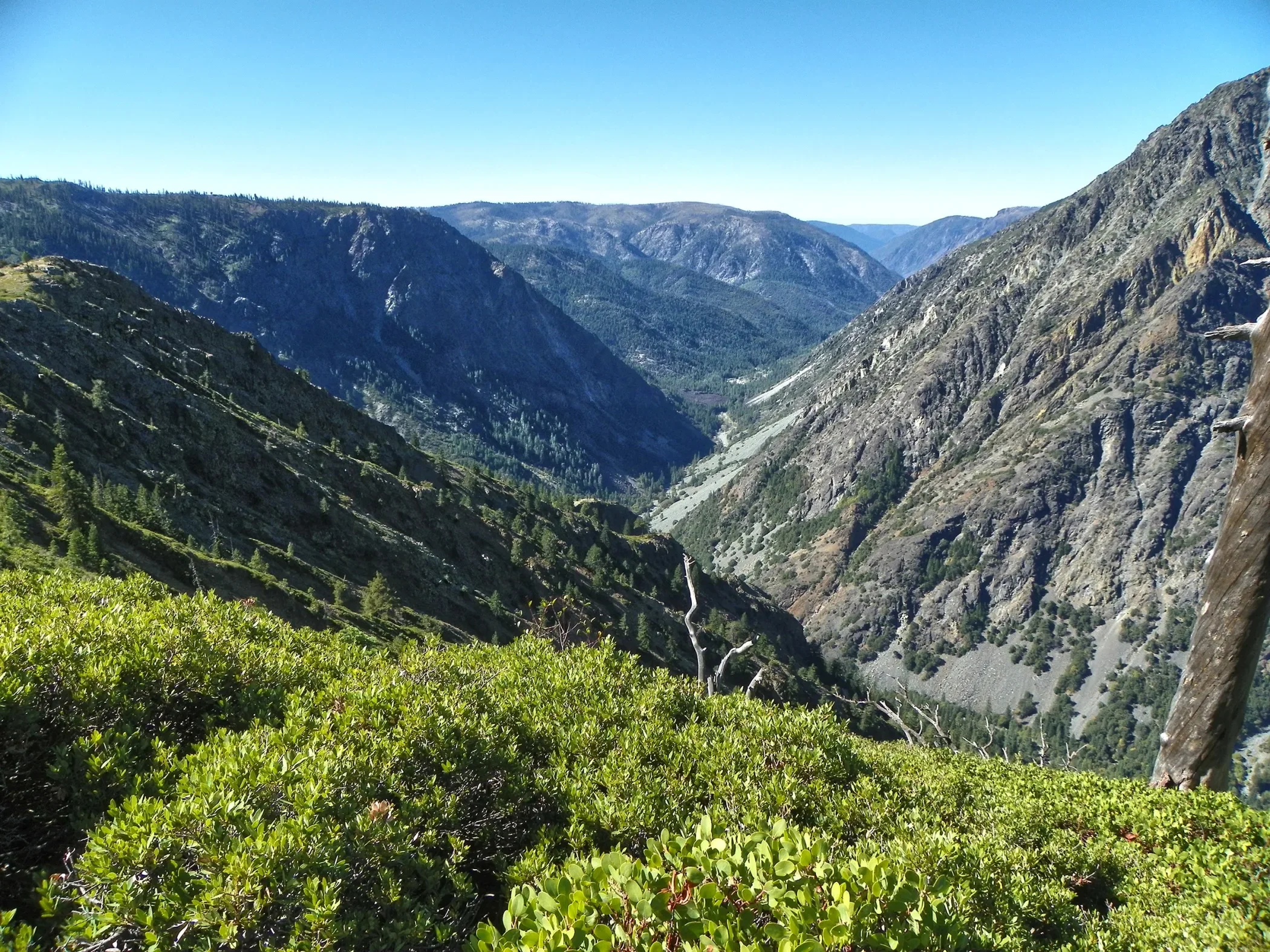
Protecting Rock Images Of The Northern Sierra Nevada
Our Mission
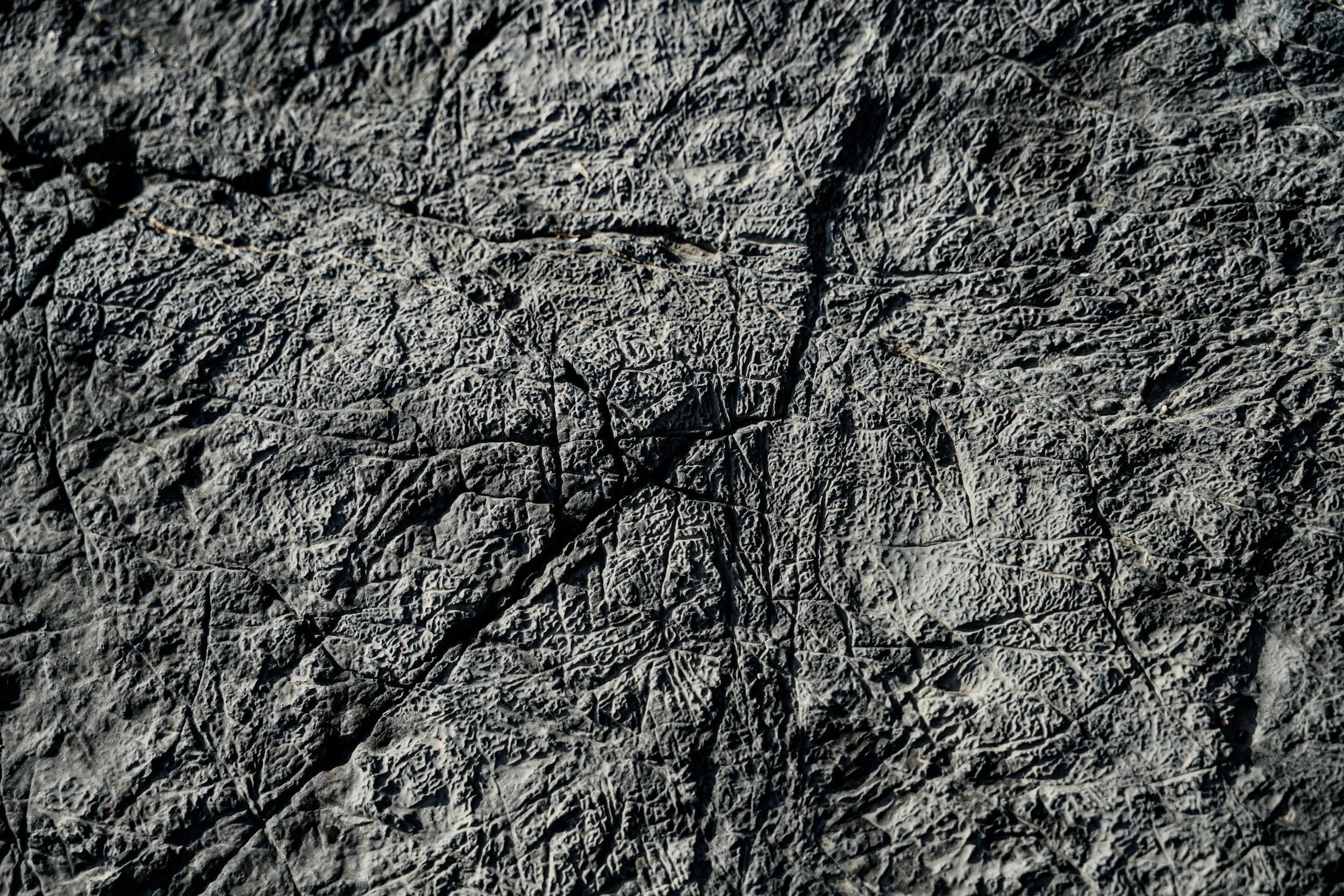
Since 1990, Friends of Sierra Rock Art has worked to preserve and protect the sacred rock imagery of the Northern Sierra through partnership, education, and stewardship.
What We Do
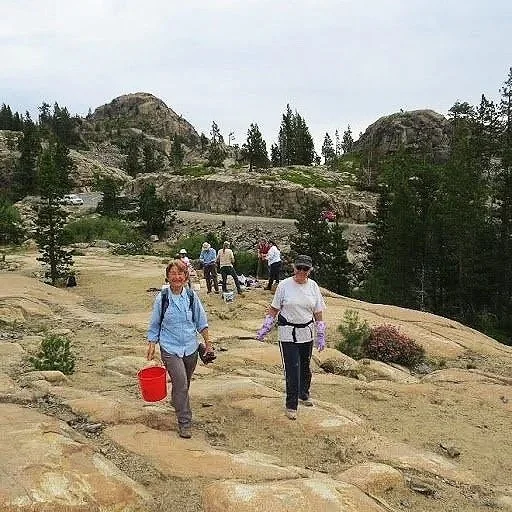
Stewardship
Monitoring and documenting culturally significant sites while assessing natural weathering, human impact, and site condition.
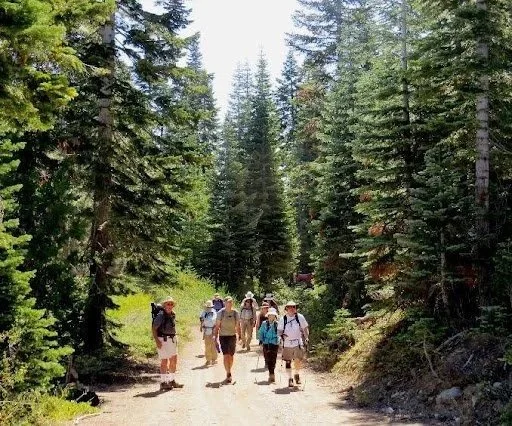
Education
Presentations, school programs, and educational resources that foster respectful understanding of cultural landscapes.
Volunteers, researchers, tribal partners, and local communities are committed to working together to protect Sierra cultural heritage.
Commitment
Get Involved
Friends of Sierra Rock Art is a volunteer-driven organization dedicated to protecting Northern Sierra rock imagery and cultural landscapes. There are many ways to support this work.
-
Join Friends of Sierra Rock Art and help protect the cultural landscapes of the Northern Sierra. Discover the benefits of membership and how you can participate in stewardship and educational activities.
-
Volunteers play an important role in helping protect Sierra Nevada rock imagery sites. Volunteer activities may include assisting with site monitoring, participating in stewardship and preservation efforts, supporting educational outreach, and helping with events and community programs.
Opportunities vary depending on experience, availability, and project needs.
-
Support the work of Friends of Sierra Rock Art by helping fund stewardship projects, educational outreach, and the protection of Sierra Nevada rock imagery sites.